
I am displaying bowls with Neocaridina shrimp for the Raleigh Aquarium Society’s annual workshop. I set up two 1-gal bowls with shrimp taken from my guppy breeding tanks. I used a 7.5 watt reptile heating pad to keep bowl water temp at a nice warm 74F for good plant growth. (Winter house temp is 65F.) Shrimp article on my aquarium page here describes setup for bowls. Lighting for red shrimp’s bowl is 13 watt CFL. For blue shrimp’s bowl, I have a 3 watt LED desk lamp plus window light.

For first 1-2 weeks I have had to change 80% of water almost every day to remove ammonia and nitrites. (The 2 cups of potting soil was probably too fertile; I probably should have diluted it with sand.) Most important for shrimp health, I only use aged aquarium water from the guppy tanks for water changes. [The DOC (dissolved organic carbon) in aged aquarium water protects the shrimp.] I don’t need or use the drip method, but I when I pour water into the bowls, I always use a small cup to block the water’s force. That way, the incoming water does not disturb the soil layer.

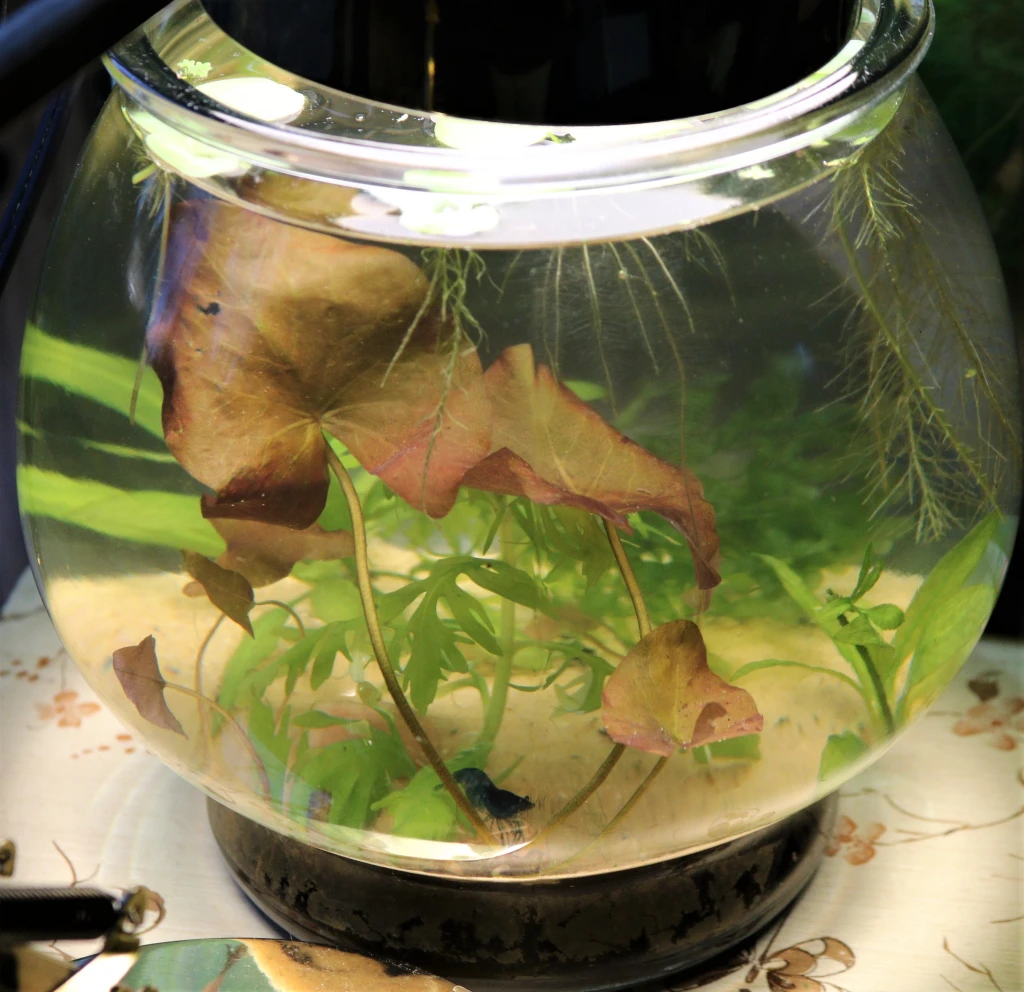
The RAS workshop [March 24-26, 2023, Raleigh, NC (USA)] will have native fish collecting, talks by fish, plant and shrimp experts, an auction, shrimp judging contest, banquet, etc. I have been going for decades. Later in the year, I’ll revise my shrimp article based on what I learn at the workshop from a shrimp expert (Robert Lupton) and from setting up these new 2023 bowls!


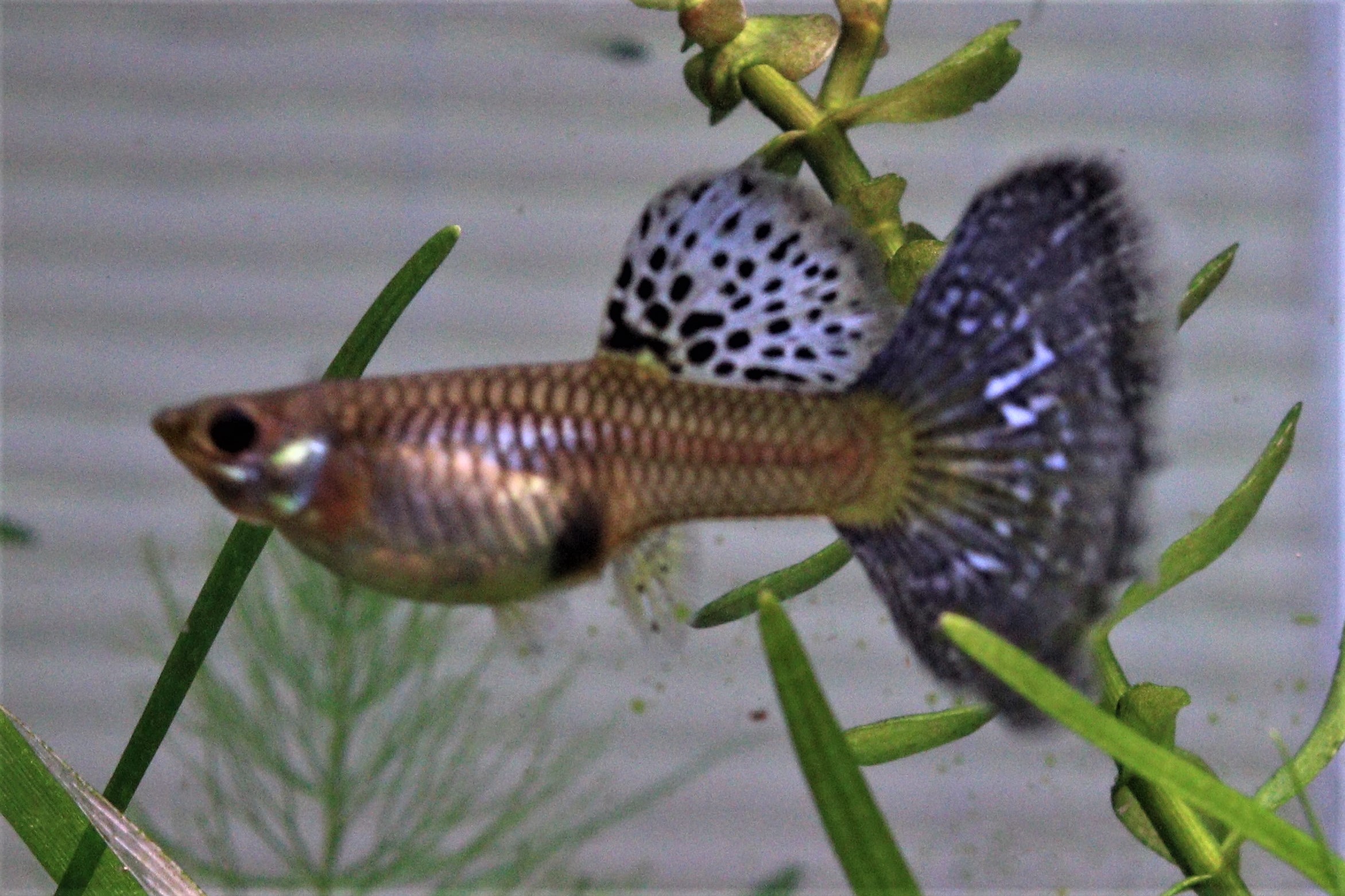 same basic material, but I simplified article. I spent more time discussing popular mutations that can perplex beginners. And I down-sized a complicated discussion on the genetics of swordtail guppies. It was not that relevant in successfully outcrossing my beautiful delta-tail females (Photo) with male swordtail guppies. These outcrosses were wildly successful and I had no trouble breeding out the swordtail trait.


 Diana Walstad's Books and Articles