Planting Wildflowers for Pollinators

The Monarch butterfly requires the Butterfly weed and other milkweeds.  The female lays her eggs on these plants so that the baby caterpillars will have the right food.  The caterpillars eat milkweed leaves which contains toxins to protect them from birds.  Makes the birds vomit teaching them not to eat Monarchs.  This symbiotic relationship between milkweeds and Monarchs is critical to Monarch survival.
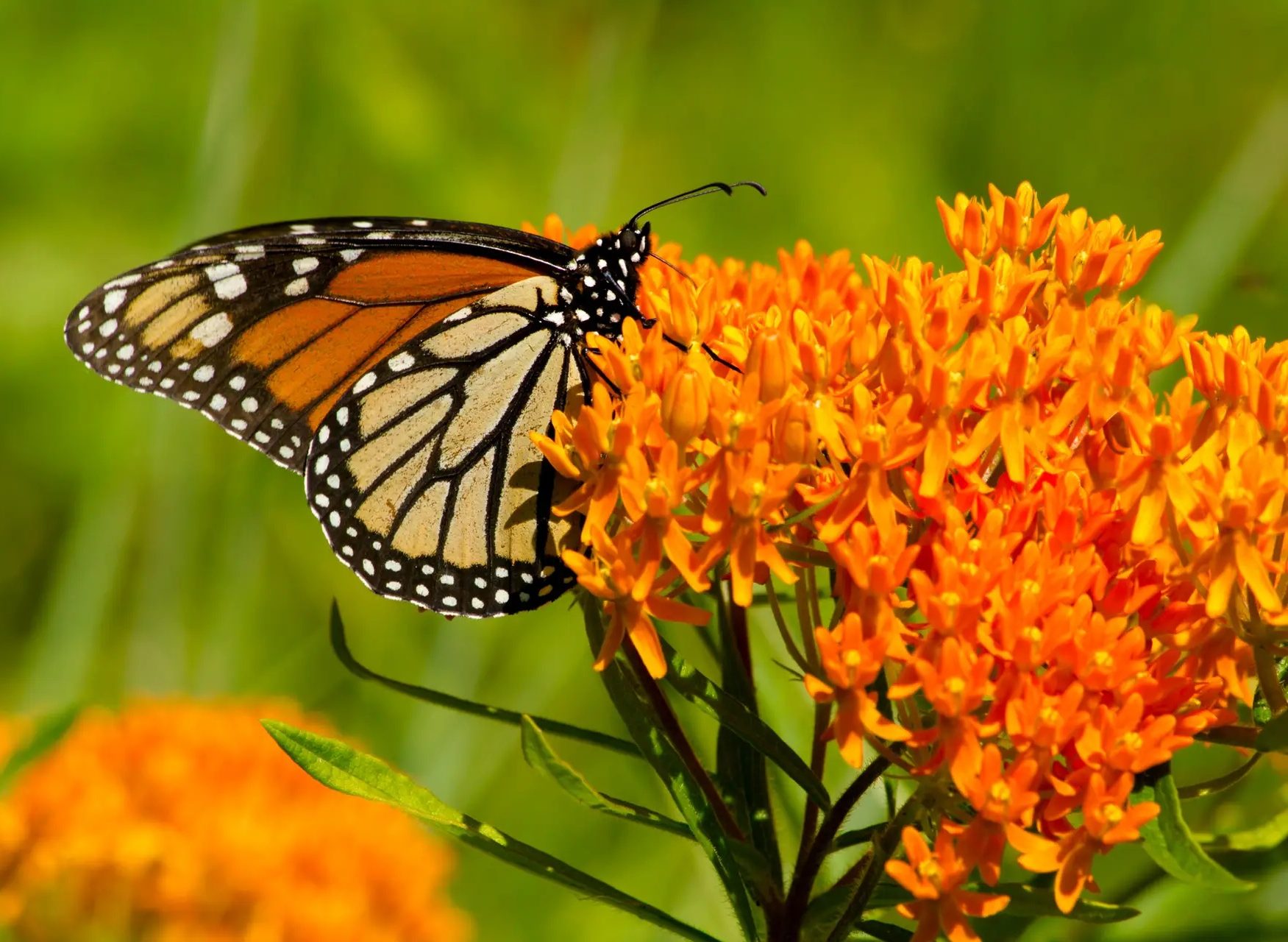
Monarch Butterfly on Butterfly Weed

Thus, I now have a small, long-term project to expand my wildflower plot and grow Butterfly weed.  Eventually, it may catch the eye of some Monarchs while migrating North from Mexico in the Spring. 

Last year (2026) during summer, I cut the weeds/grass down to the roots.  Then, I covered the ground with black tarp to cook and kill the grass roots in the summer’s heat.  In late November, I hoed the ground, put a wire fence around the plot (to keep deer out), added bone meal and seeds.  I got seeds from all over—hardware stores, Eden Bros. Perennial Wildflower Mix, and those I collected along roadways.  In my opinion, you cannot have enough seeds or plant species!  (Easy enough to thin plants out later.)  Then, I covered the ground with dead tree leaves to shelter dirt/seeds and let it sit over winter. 
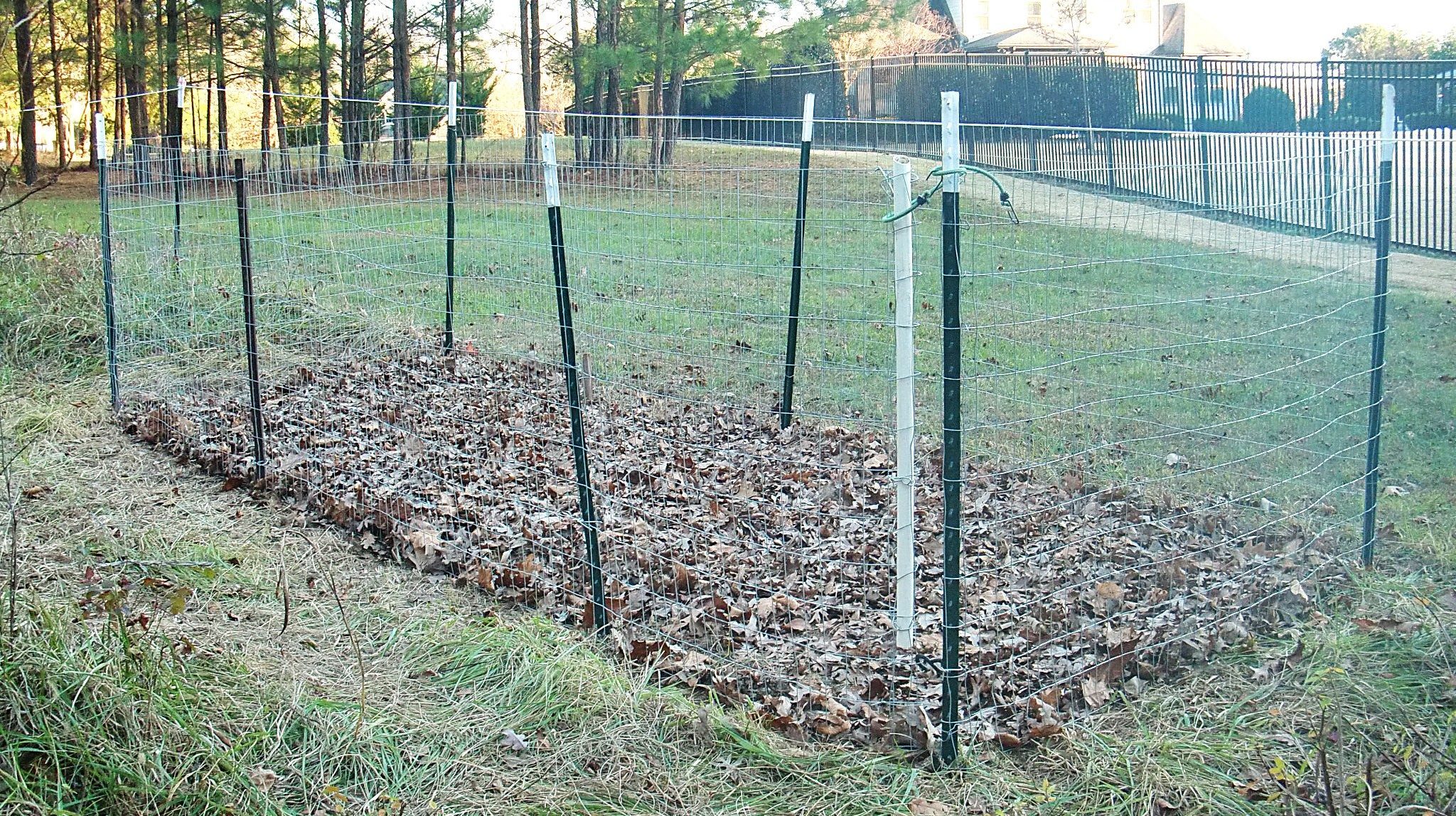
Wildflower Plot Seeded and Ready for Winter (Photo: Nov. 28, 2025)

Key things:  choose sunny spot, protect from deer, plant in late Fall, and water in the Spring as needed. 

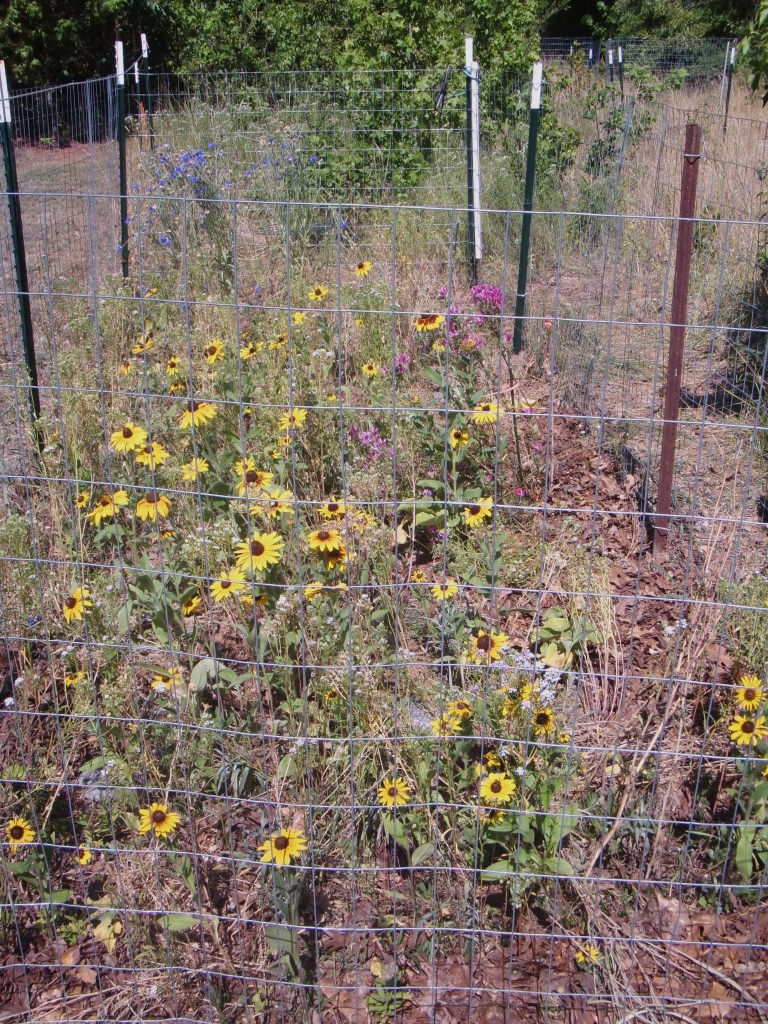
Results were fabulous.  Every month this spring, I got different flowers.  Little plot became a hotspot for bees, animals, butterflies, and hummingbirds.  This year, I am expanding my plot for planting Butterfly weed, Bee Balm, and other wildflowers I have not yet met.
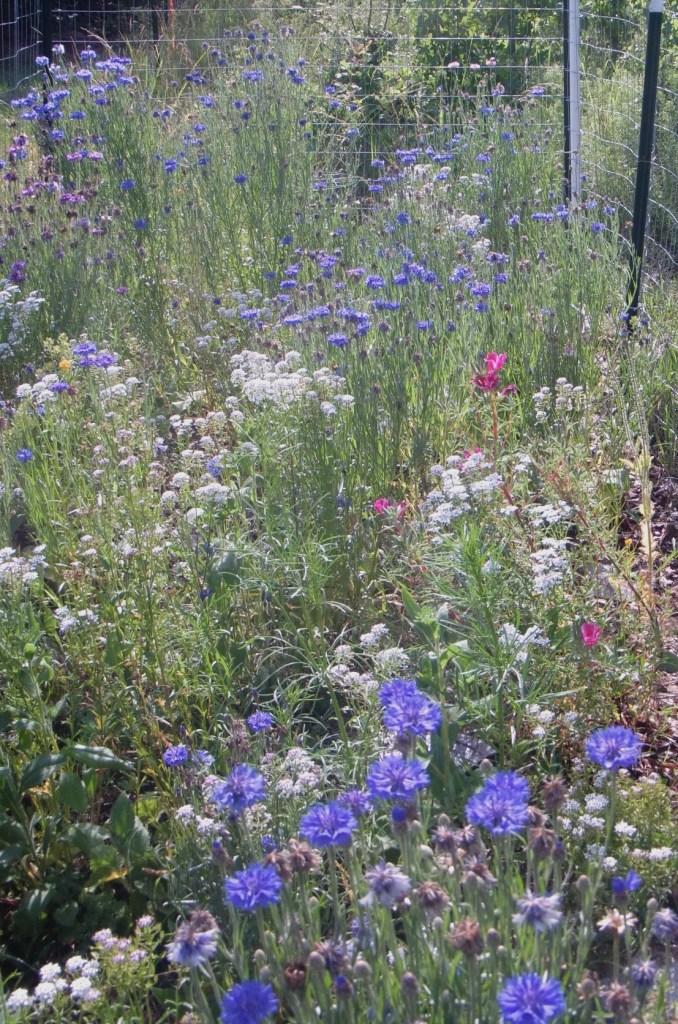
May 31, 2026   Batchelor Button and other beauties.
June 16, 2026 Sunflowers Dominated in June

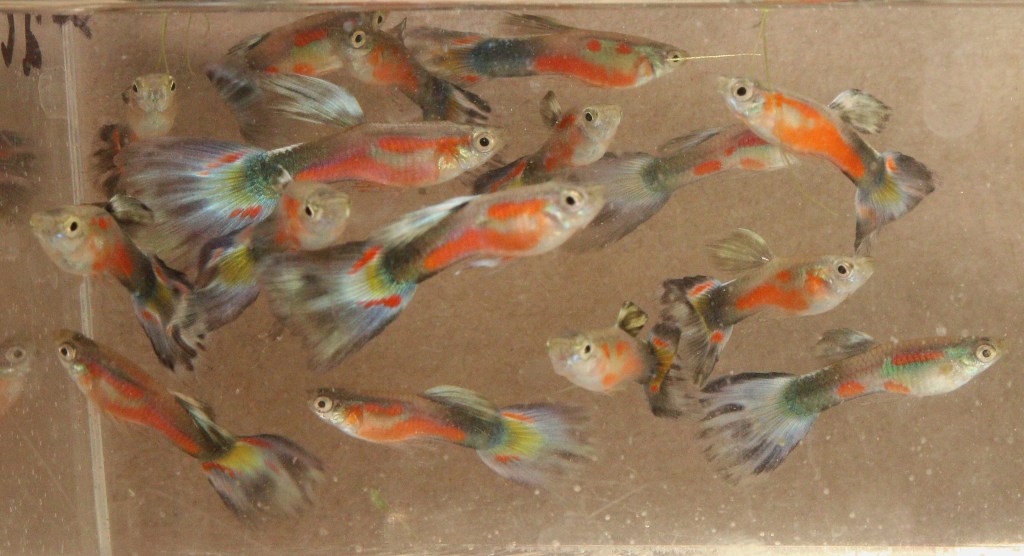
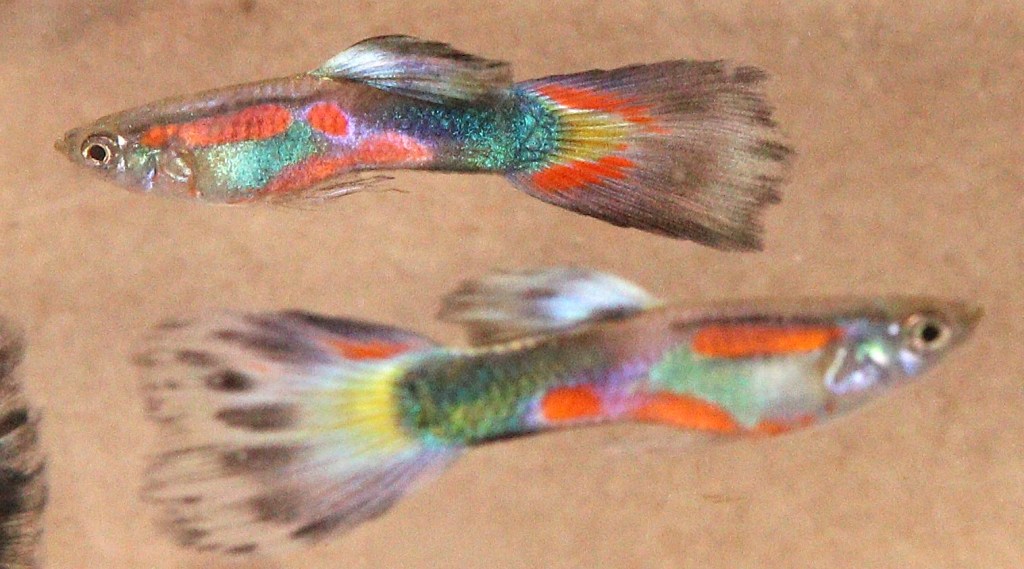
Endler Guppy Cross

Preliminary results from crossing my Rainbow guppies with Endlers (Santa Maria strain) turned out much better than I expected, especially for the male Rainbow X Endler female matings. See photos of hybrid males at 3.5 months. LOTs of color! Females are also nice in that they have plenty of pigment in their caudal and dorsal fins, which the Endler females did not have. [Progeny from reverse cross (male Endlers X Rainbow females) were not nearly as attractive.]

I did this outcross, because my Rainbow guppies have had fitness problems last 2 years, probably due to accumulated inbreeding. Hopefully, infusing genes from these hybrids into my Rainbow stock will help prevent fluke outbreaks and increase longevity. Long-term project…

Interview about Cichlids

Recently, I did an interview conducted by Scott Wells, a cichlid authority with an informative website The Cichlid Stage. He questioned me about my personal history, planted tanks for cichlids, etc. You see, long ago I kept Tanganyikan cichlids. I have maintained a fondness for these fiesty, supremely intelligent fish and included a bit about their reproduction in my new book. (The females of one Lake Malawi species choose their mates by smell–not male color–via small odor peptides released by the male’s immune system. Heady stuff!) Photo from 1990 shows my 45-gal tank with a small colony of Tropheus dubosi and a beautiful golden male Lamprologous leleupi. Because I enjoyed these fish and working with Scott, I wanted to share his website and interview with my readers.

Indexing Scientific Papers

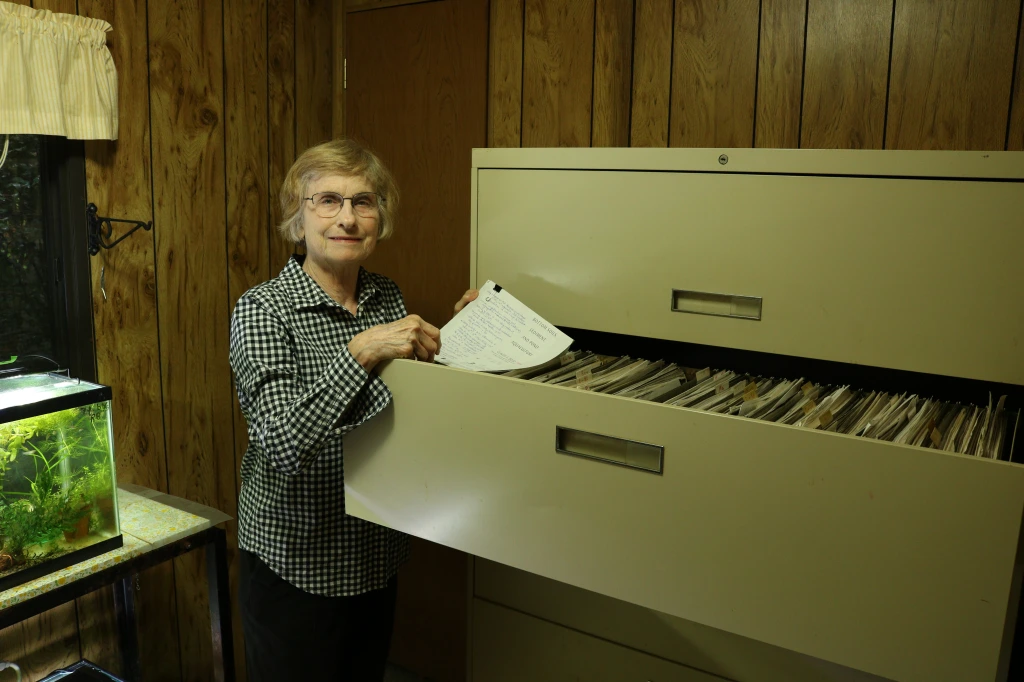
Without my ‘Aquatic Ecology Subject Index’ (175 pages, available here), I never could have written Ecology of the Planted Aquarium.  From the 1990s onward, I subject-indexed every scientific paper I read.  Eventually, the index provided a framework for my book.  I enjoy reading scientific papers.  Many contain  interesting experiments and inspiring ideas.  Admittedly, the scientific jargon, conflicting nomenclature, and statistics can be daunting.  But these barriers can be breached by further investigation and being organized.  To be a scientist, you do not have to have a Ph.D., but you do need a love of science.

Me and Scientific Papers--all subject indexed.
Diana Walstad at the Filing Cabinet.  All Papers are Subject-indexed for Easy Retrieval.

NEW 4th EDITION has gone GLOBAL!

‘Ecology of the Planted Aquarium’ (4th Edition, 2023) is now available as an affordable paperback to hobbyists overseas (Britain, Italy, Japan, etc.), not just to those in the U.S. While there is a different–and maybe prettier– cover for Amazon-printed books, all BTPS-printed books, eBooks, and Amazon Kindles contain the same material. This is a long-awaited improvement, because shipping a printed book overseas is prohibitively expensive.

Amazon-Printed Paperback for 4th Edition (2023) of 'Ecology of the Planted Aquarium'
Amazon’s Cover for Fourth Edition (April, 2023)